Luxury Is Overproducing Itself Into Irrelevance
- XIXE

- May 1
- 3 min read
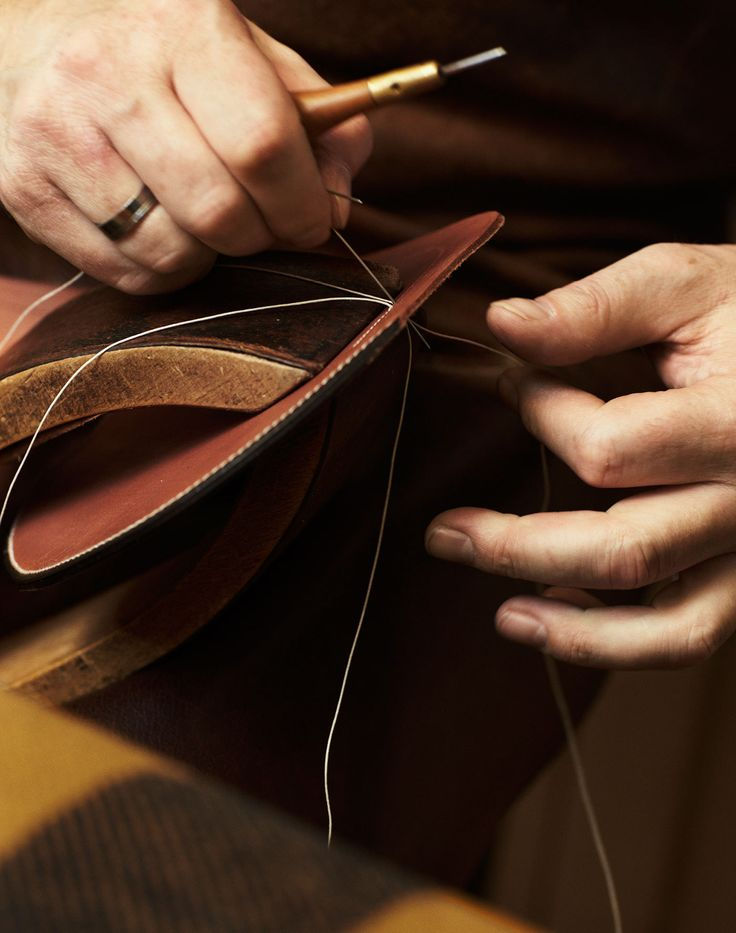
Luxury has always been defined by what surrounds the object as much as the object itself, the time it takes to make, the time it takes to arrive in the world, the specific anticipation of something that comes rarely enough to mean something when it does. Scarcity and desirability are not separate ideas in luxury. They are the same idea, and removing one quietly removes the other.
Six collections a year changes the nature of the thing being sold, not the quality necessarily, not the craft, but the relationship between the customer and the object. When something new is always arriving, the thing that just arrived has already started to feel replaceable. Wanting requires a gap, genuine desire, the kind that turns a purchase into a relationship with an object, needs room to breathe and time to build. A calendar that closes every gap, fills every quiet month with a resort collection or a capsule or a pre-fall drop, is not producing that kind of wanting, it is producing consumption which is a different thing entirely and has always been a different thing.
The investment argument makes this clearer. A luxury piece bought with the expectation that it holds or grows in value is a fundamentally different object than a seasonal purchase. The customer making that decision is not shopping in the ordinary sense. They are placing a bet on permanence, on an identity stable and rare enough that the object will still mean something in a decade. Permanence and volume are enemies, and a house that cycles through creative directors every few years compounds the problem, because an object cannot carry the weight of permanence when the identity producing it shifts before the decade is out. That customer already understands this, even when they cannot articulate exactly why.
The archive resale market is where that understanding takes form. Buyers are returning to pieces made when the conditions for permanence still existed, under long creative tenures, inside houses that had not yet mistaken volume for vitality. The collector buying into those eras is not only responding to a silhouette or a cultural reference, though both may be true. They are responding to the conditions under which the object was made, and that is precisely what a house churning through creative directors and capsule drops cannot manufacture regardless of the craft inside the atelier.
What luxury requires, at its most basic, is the drool, the genuine longing for something that cannot be immediately satisfied, a waiting list earned rather than manufactured, a collection that arrives rarely enough that its arrival is an event rather than a content moment. The customer who waits years for a piece is not being made to suffer, they are being given time to want something completely, and complete wanting is what makes an object worth having at the price luxury charges for it.
When that wait disappears, something essential disappears with it, not just the feeling of exclusivity but the actual conditions that make a luxury object an investment rather than an expensive purchase. The price can stay high, the ateliers can remain skilled, the shows can be spectacular, and the object can still be beautiful and well made, but without the wait, without the genuine scarcity that forces desire to accumulate rather than dissipate, what is being sold is something adjacent to luxury rather than the thing itself. To charge the price of permanence while producing under the conditions of trend is a misrepresentation of the category, and the archive market exists, in part, because enough customers have understood the difference to go looking for the real thing somewhere else.
* luxury irrelevance*


Comments